

Temporomandibular Joint Disorder Massage (TMJ/TMJD)
What is TMJD?
The temporomandibular joints (TMJs) are the two joints that connect your lower jawbone to your skull, located on either side of your face. They work like sliding hinges, allowing you to open and close your mouth, chew, speak, and move your jaw from side to side.
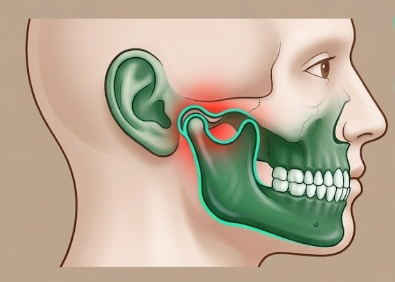
Temporomandibular disorders (TMDs) are conditions that affect the TMJ, the surrounding muscles, and other structures involved in jaw movement. TMJD can cause pain or discomfort around the jaw joint and facial muscles and may also contribute to symptoms such as headaches, jaw tension, clicking or popping, difficulty opening the mouth, and tension that extends into the neck and shoulders.
What Causes TMJD?
The exact cause of TMJD can vary and is not always easy to identify. Symptoms may develop from a combination of factors, including jaw injury, muscle tension, stress, teeth clenching or grinding (bruxism), gum chewing, and nail biting.
TMJD may also occur alongside other conditions, such as osteoarthritis or fibromyalgia. In many cases, several contributing factors can increase tension and stress on the jaw joint and surrounding muscles.
Is TMJD Treatment Right for You?
TMJD Massage may be appropriate for individuals experiencing jaw-related pain, tension, stiffness, or movement restrictions, including:
Jaw pain, stiffness, or muscular tension
Clicking, popping, or restricted jaw movement
Difficulty opening or closing the mouth comfortably
Teeth clenching or grinding (bruxism)
Facial pain or muscular tension
Headaches associated with jaw and facial tension
Neck and shoulder tension associated with jaw dysfunction
Jaw tension related to stress
Symptoms following dental work or orthodontic treatment
Targeted Care Beyond a Regular Massage
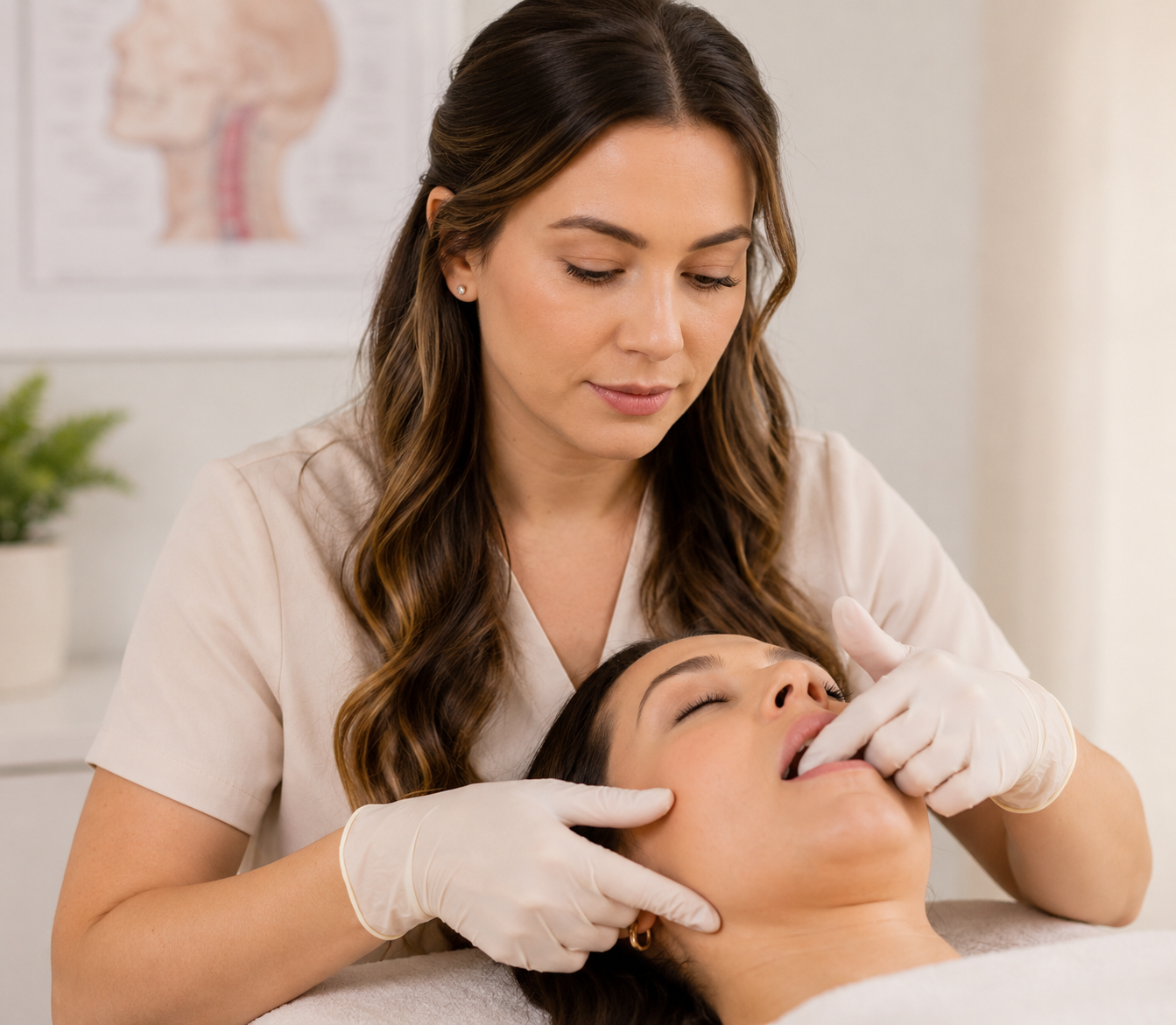
At Mulberry Wellness, our TMJD Massages are performed by Registered Massage Therapists (RMTs) and provide a focused therapeutic approach for individuals experiencing jaw pain, tension, restricted movement, and related muscular dysfunction.
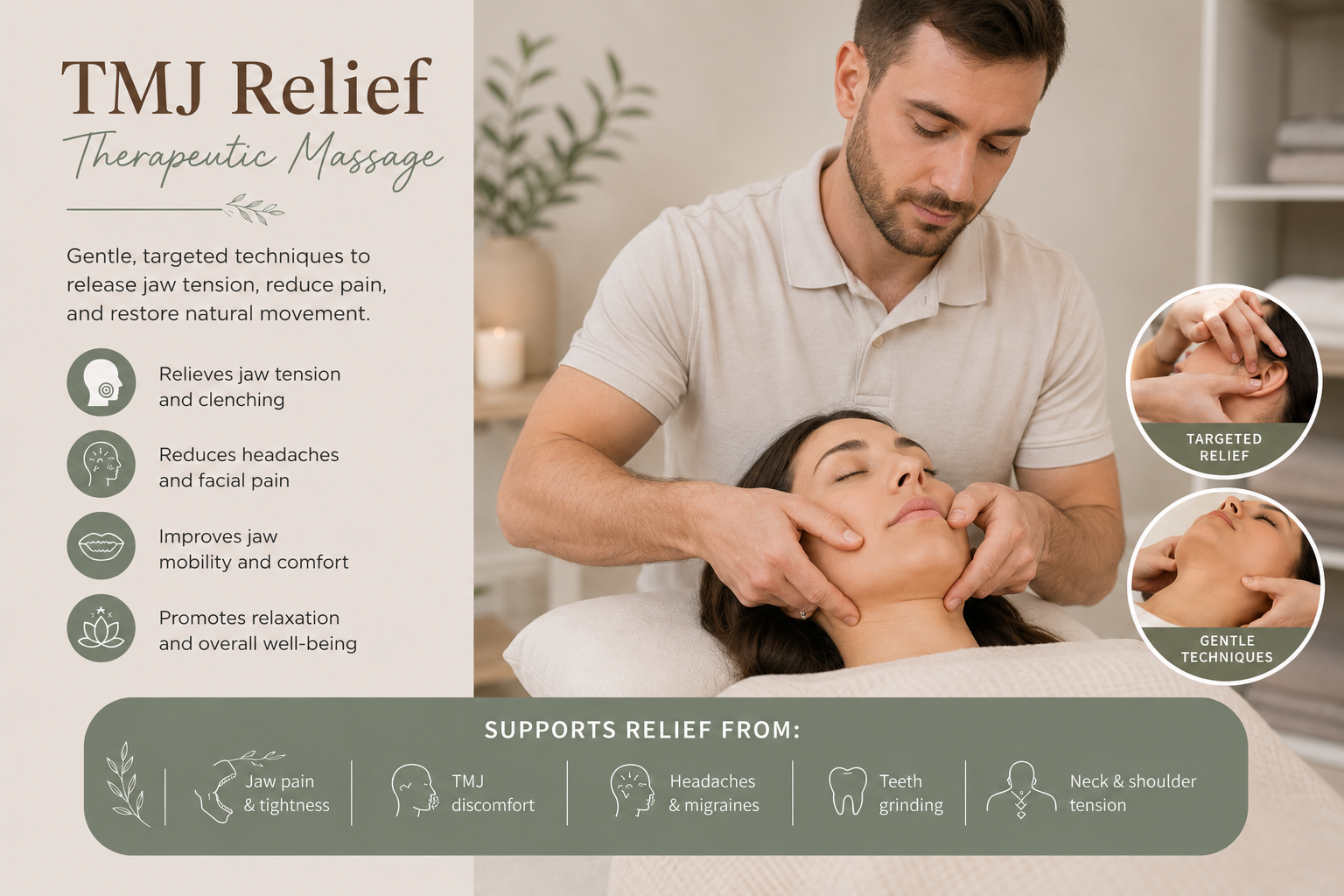
Treatment may address the jaw, facial muscles, neck, shoulders, and surrounding structures to help reduce muscular tension and improve comfort and mobility.
When clinically appropriate, intra-oral techniques may also be incorporated as part of treatment. These techniques are performed by your RMT only with your informed consent and are intended to address muscles and structures that cannot be effectively accessed externally.
Your RMT will tailor the treatment to your symptoms, assessment findings, and individual needs.
FAQs
-
The initial TMJD 60-minute Assessment appointment allows the massage therapist to assess your jaw and contributing factors before determining the most appropriate ongoing treatment approach.
-
Intra-oral treatment may be included when clinically indicated. It will only be performed with your consent.
-
No. TMJD massage therapy is a complementary therapeutic service and does not replace assessment or treatment by a dentist, physician or other appropriate healthcare professional.
Meet Our RMT TMJD Team
-

Jacqueline Maddalena
REGISTERED MASSAGE THERAPIST
Your first 60-minute TMJD Assessment & Treatment appointment includes approximately 15 minutes dedicated to a TMJD-specific assessment, client history, and evaluation, followed by approximately 45 minutes of hands-on treatment. Treatment may focus on the jaw, facial muscles, neck, shoulders, and other related structures, with intra-oral treatment included when clinically indicated and with the client’s consent.
Home care recommendations, including exercises and self-management strategies, may also be provided as appropriate to support ongoing treatment and symptom management. -

Penny Luther
REGISTERED MASSAGE THERAPIST
Your first 60-minute TMJD Assessment & Treatment appointment includes approximately 15 minutes dedicated to a TMJD-specific assessment, client history, and evaluation, followed by approximately 45 minutes of hands-on treatment. Treatment may focus on the jaw, facial muscles, neck, shoulders, and other related structures, with intra-oral treatment included when clinically indicated and with the client’s consent.
Home care recommendations, including exercises and self-management strategies, may also be provided as appropriate to support ongoing treatment and symptom management.